

Don't Survive, THRIVE!
10 Simple Steps To Help You Soar High Like The Eagle You Are

Author
Jamie Horton
KSh700
KSh 1,000
You save KSh 300
Digital ebook. One copy per order, available in your library right after payment.
Instant access
M-Pesa, PayPal & card
Discover 10 simple steps to unlock your potential, build confidence, overcome life's challenges, and soar toward success. Don't Survive, THRIVE by Jamie Horton is an empowering guide to personal growth, resilience, and living your best life.
About this book
Book summary
Don't Survive, THRIVE: 10 Simple Steps to Help You Soar High Like the Eagle You Are is an inspirational guide to personal growth, confidence, purposeful living and spiritual development. Written from a Christian perspective, the book encourages readers to move beyond merely coping with life's difficulties and begin making intentional decisions that support meaningful progress.
The central distinction in the title is between surviving and thriving. Survival is concerned with getting through present circumstances, particularly when life becomes difficult. Thriving involves developing one's abilities, establishing a sense of direction and taking practical steps towards a purposeful future. The book encourages readers not to assume that their present limitations must determine what they can accomplish.
The image of the eagle provides a unifying metaphor for this message. An eagle suggests vision, strength, freedom and the ability to rise above obstacles. In the same way, the book encourages readers to recognise their potential and approach life with greater courage and purpose. The metaphor does not suggest that personal development happens automatically. Instead, it presents growth as something that requires decisions, effort, discipline and faith.
The book's ten-step structure is designed to make its message practical. Rather than offering encouragement alone, it connects personal growth with principles that readers can apply to their daily lives. The emphasis is on changing attitudes, developing useful habits, recognising opportunities and making choices that gradually move a person towards a desired future.
Faith is central to the book's approach. Biblical examples and Scripture passages are used to illustrate how individuals can respond to fear, opposition, uncertainty and setbacks. The book draws on the experiences of people in the Bible whose lives demonstrate courage, perseverance, obedience and trust in God. These accounts provide spiritual encouragement while also offering practical lessons about decision-making and responsibility.
One of the important themes is overcoming fear. Fear can prevent people from attempting unfamiliar tasks, pursuing opportunities or acting on goals they believe are beyond their reach. The book encourages readers to recognise that feeling afraid does not automatically mean they are incapable. Courage can involve taking an appropriate next step even when confidence is incomplete.
The biblical example of Esther illustrates this principle. Faced with a difficult and uncertain situation, Esther must decide whether to act despite the risks. Her story demonstrates the importance of seeking God's direction and accepting responsibility when circumstances demand courage. The lesson is that meaningful action often requires a willingness to move forward without knowing every detail of the outcome.
The book also emphasises discipline. Personal growth rarely depends on one dramatic decision alone. More often, it develops through repeated actions, ordinary responsibilities and habits maintained over time. A person may have a strong goal but struggle to achieve it if everyday behaviour consistently works against that goal.
Discipline provides a bridge between intention and accomplishment. By practising consistency, readers can gradually develop the habits needed to pursue their ambitions. Small actions may appear insignificant in isolation, but repeated effort can create substantial change. The book therefore encourages readers to take everyday choices seriously instead of waiting for a sudden transformation.
Another important concept is vision. The book distinguishes between a dream and a clear picture of the future one intends to work towards. A dream may express a hope, while vision gives that hope direction. Someone who wishes to help young people, for example, can develop a clearer vision by deciding what kind of contribution to make, whom to serve and what practical steps might bring the goal closer.
Vision is closely connected to purpose. Purpose concerns the reason a person believes they are here or the contribution they feel called to make. Vision helps translate that understanding into a direction for action. When people have a clearer sense of where they are going, they can make better decisions about their time, resources and priorities.
The book also examines the influence of relationships. The people around us can affect our attitudes, habits and decisions. Encouraging relationships can support growth, while destructive influences may encourage unwise choices or weaken a person's commitment to important principles. Biblical examples help illustrate how the influence of friends, relatives and romantic partners can shape the course of a person's life.
This theme encourages readers to examine the company they keep and the values reflected in their relationships. The purpose is not simply to judge others but to recognise that relationships have consequences. Healthy associations can provide encouragement, accountability and support, while harmful patterns may make it more difficult to remain focused on one's goals.
Perseverance is another thread running through the book. Life does not always progress according to a person's plans. People encounter disappointments, opposition, losses and periods of uncertainty. The book encourages readers to view difficulties as circumstances that require a response rather than automatic proof that their efforts are pointless.
Biblical examples provide illustrations of perseverance. Nehemiah's work rebuilding Jerusalem's walls demonstrates the importance of remaining focused despite criticism and distraction. Moses' experiences illustrate how a person who initially feels inadequate can develop into a leader. Job's story offers a reflection on maintaining faith during suffering, while Joseph's experiences show how betrayal and unjust treatment need not prevent a person from eventually fulfilling a meaningful purpose.
These examples reinforce the book's message that progress may involve learning, waiting and adapting. Thriving does not mean that life will be free from difficulty. It means developing the spiritual and practical resources to respond constructively to challenges.
The book also draws attention to personal responsibility. While people cannot control every circumstance, they can often influence how they prepare, respond and choose their next steps. This perspective encourages readers to move away from passive resignation and towards deliberate action. Rather than waiting for ideal conditions, they can identify what is within their control and begin there.
As a Christian motivational guide, the book connects practical growth with spiritual development.
#Self-Help Book
#Personal Development
#Motivational Book
#Self-Improvement
#Personal Growth
Reader reviews
What readers are saying
No reviews yet
Read this book? Share what you thought and help other readers decide.
Write the first reviewMore from this author
Other books by Jamie Horton




You may also like
Readers also enjoyed
_ebookfrontcover.jpeg)
ebook
-20%
Kairos Father
KSh 2,500
KSh2,000
ebook
-33%
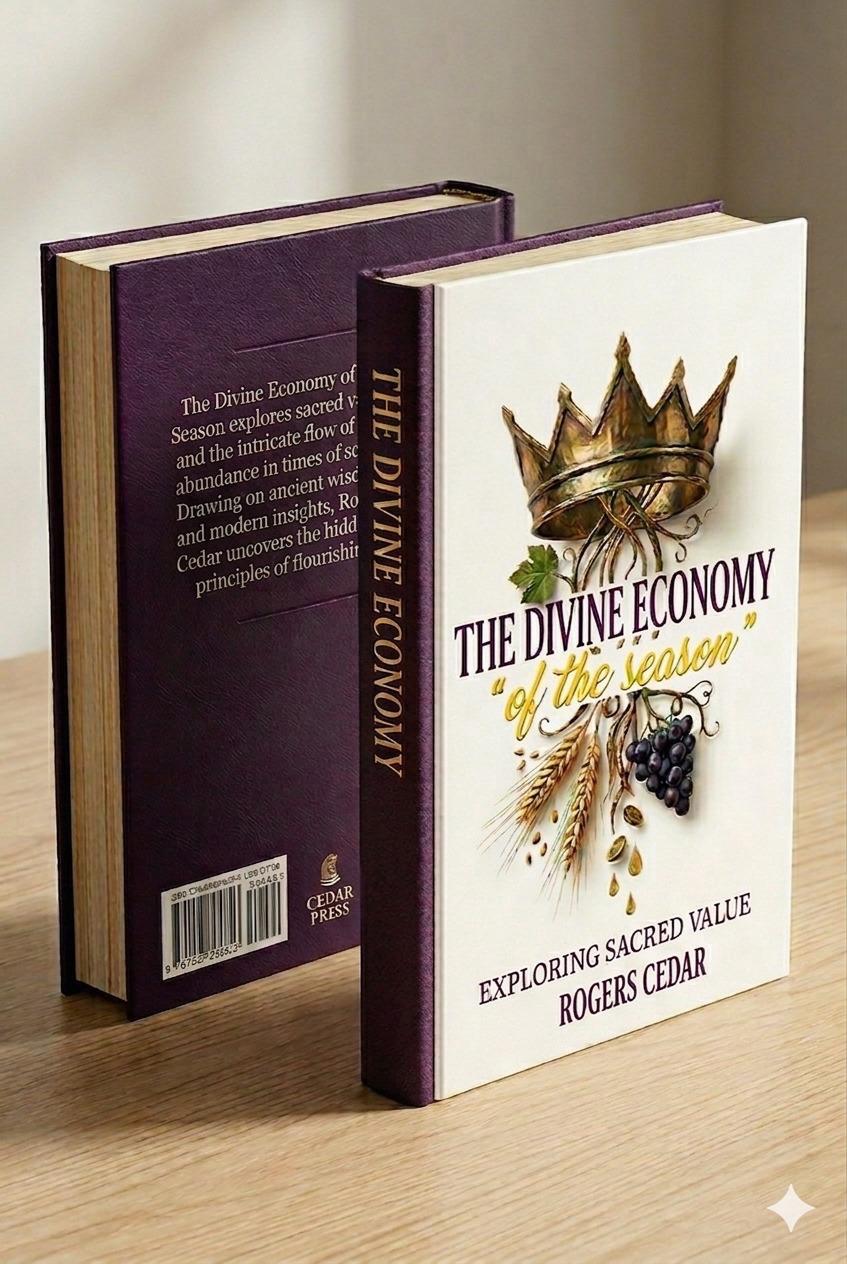
Divine Economy Of The Season
KSh 3,000
KSh2,000

ebook
Emperor Nero And The Number 666: History And Revelation — From Rome To The Beastly Powers Of Today
KSh0

ebook
The Man With Tinted Glasses
KSh1,500

ebook
-50%
When God Shakes The Heavens And Earth
KSh 3,000
KSh1,500
Book summary
Don't Survive, THRIVE!
Don't Survive, THRIVE: 10 Simple Steps to Help You Soar High Like the Eagle You Are is an inspirational guide to personal growth, confidence, purposeful living and spiritual development. Written from a Christian perspective, the book encourages readers to move beyond merely coping with life's difficulties and begin making intentional decisions that support meaningful progress.
The central distinction in the title is between surviving and thriving. Survival is concerned with getting through present circumstances, particularly when life becomes difficult. Thriving involves developing one's abilities, establishing a sense of direction and taking practical steps towards a purposeful future. The book encourages readers not to assume that their present limitations must determine what they can accomplish.
The image of the eagle provides a unifying metaphor for this message. An eagle suggests vision, strength, freedom and the ability to rise above obstacles. In the same way, the book encourages readers to recognise their potential and approach life with greater courage and purpose. The metaphor does not suggest that personal development happens automatically. Instead, it presents growth as something that requires decisions, effort, discipline and faith.
The book's ten-step structure is designed to make its message practical. Rather than offering encouragement alone, it connects personal growth with principles that readers can apply to their daily lives. The emphasis is on changing attitudes, developing useful habits, recognising opportunities and making choices that gradually move a person towards a desired future.
Faith is central to the book's approach. Biblical examples and Scripture passages are used to illustrate how individuals can respond to fear, opposition, uncertainty and setbacks. The book draws on the experiences of people in the Bible whose lives demonstrate courage, perseverance, obedience and trust in God. These accounts provide spiritual encouragement while also offering practical lessons about decision-making and responsibility.
One of the important themes is overcoming fear. Fear can prevent people from attempting unfamiliar tasks, pursuing opportunities or acting on goals they believe are beyond their reach. The book encourages readers to recognise that feeling afraid does not automatically mean they are incapable. Courage can involve taking an appropriate next step even when confidence is incomplete.
The biblical example of Esther illustrates this principle. Faced with a difficult and uncertain situation, Esther must decide whether to act despite the risks. Her story demonstrates the importance of seeking God's direction and accepting responsibility when circumstances demand courage. The lesson is that meaningful action often requires a willingness to move forward without knowing every detail of the outcome.
The book also emphasises discipline. Personal growth rarely depends on one dramatic decision alone. More often, it develops through repeated actions, ordinary responsibilities and habits maintained over time. A person may have a strong goal but struggle to achieve it if everyday behaviour consistently works against that goal.
Discipline provides a bridge between intention and accomplishment. By practising consistency, readers can gradually develop the habits needed to pursue their ambitions. Small actions may appear insignificant in isolation, but repeated effort can create substantial change. The book therefore encourages readers to take everyday choices seriously instead of waiting for a sudden transformation.
Another important concept is vision. The book distinguishes between a dream and a clear picture of the future one intends to work towards. A dream may express a hope, while vision gives that hope direction. Someone who wishes to help young people, for example, can develop a clearer vision by deciding what kind of contribution to make, whom to serve and what practical steps might bring the goal closer.
Vision is closely connected to purpose. Purpose concerns the reason a person believes they are here or the contribution they feel called to make. Vision helps translate that understanding into a direction for action. When people have a clearer sense of where they are going, they can make better decisions about their time, resources and priorities.
The book also examines the influence of relationships. The people around us can affect our attitudes, habits and decisions. Encouraging relationships can support growth, while destructive influences may encourage unwise choices or weaken a person's commitment to important principles. Biblical examples help illustrate how the influence of friends, relatives and romantic partners can shape the course of a person's life.
This theme encourages readers to examine the company they keep and the values reflected in their relationships. The purpose is not simply to judge others but to recognise that relationships have consequences. Healthy associations can provide encouragement, accountability and support, while harmful patterns may make it more difficult to remain focused on one's goals.
Perseverance is another thread running through the book. Life does not always progress according to a person's plans. People encounter disappointments, opposition, losses and periods of uncertainty. The book encourages readers to view difficulties as circumstances that require a response rather than automatic proof that their efforts are pointless.
Biblical examples provide illustrations of perseverance. Nehemiah's work rebuilding Jerusalem's walls demonstrates the importance of remaining focused despite criticism and distraction. Moses' experiences illustrate how a person who initially feels inadequate can develop into a leader. Job's story offers a reflection on maintaining faith during suffering, while Joseph's experiences show how betrayal and unjust treatment need not prevent a person from eventually fulfilling a meaningful purpose.
These examples reinforce the book's message that progress may involve learning, waiting and adapting. Thriving does not mean that life will be free from difficulty. It means developing the spiritual and practical resources to respond constructively to challenges.
The book also draws attention to personal responsibility. While people cannot control every circumstance, they can often influence how they prepare, respond and choose their next steps. This perspective encourages readers to move away from passive resignation and towards deliberate action. Rather than waiting for ideal conditions, they can identify what is within their control and begin there.
As a Christian motivational guide, the book connects practical growth with spiritual development.
#Self-Help Book
#Personal Development
#Motivational Book
#Self-Improvement
#Personal Growth