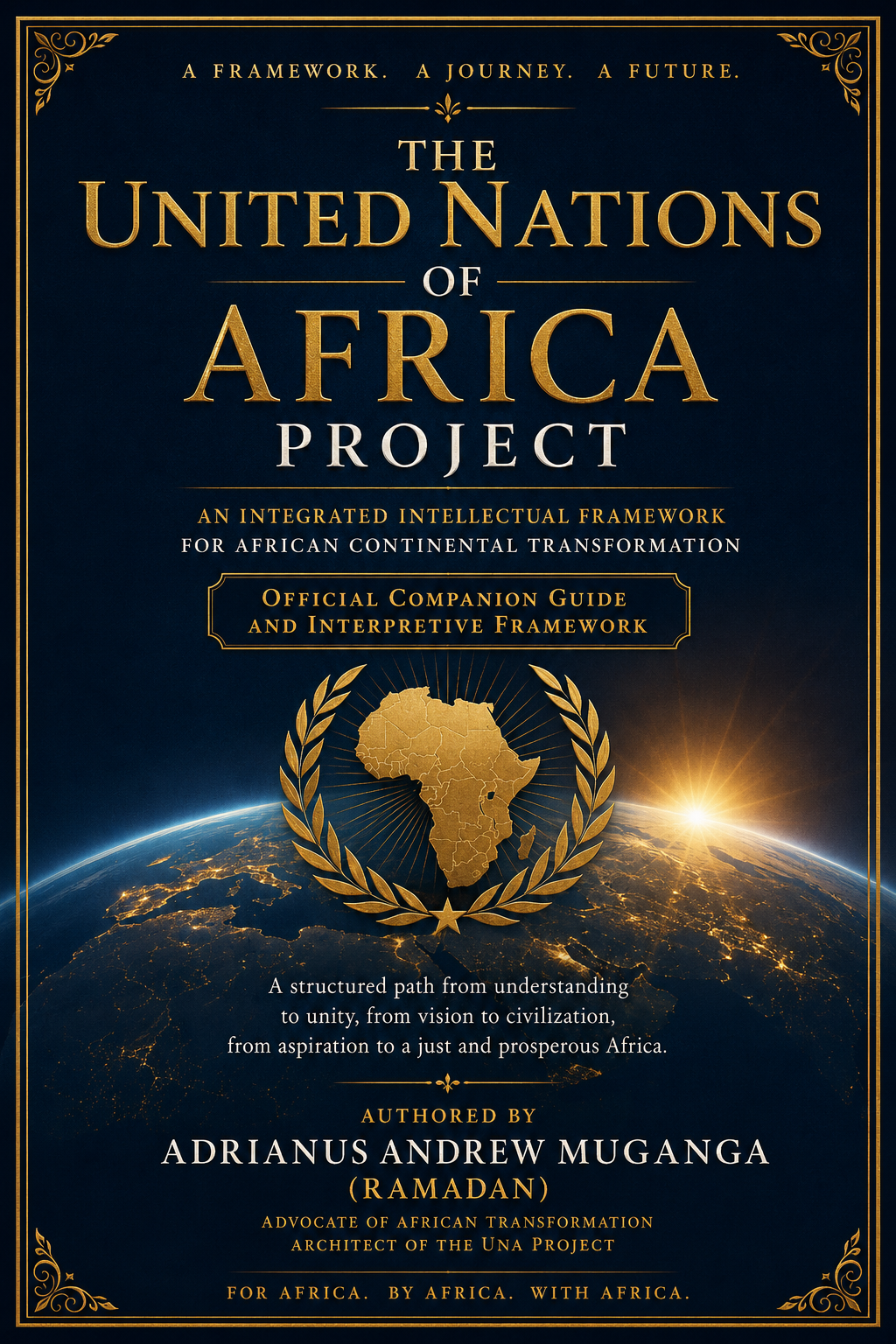
The United Nations of Africa Project: Official Companion Guide and Interpretive Framework
Subtitle: Official Companion Guide And Interpretive Framework
Author: Adrianus Muganga
The United Nations of Africa Project: Official Companion Guide and Interpretive Framework is the authoritative introduction to the United Nations of Africa Project, an integrated body of scholarship exploring the constitutional, institutional, and governance foundations of African continental transformation. Serving as the official companion to the Project's seven foundational works, this volume explains their philosophy, intellectual architecture, systems methodology, and constitutional framework while demonstrating how each contributes to a unified vision of continental development. It introduces the Project's Forest Philosophy, which presents the seven works as interconnected components of a coherent intellectual system, progressing from historical diagnosis and civic awakening to institutional alignment, constitutional design, governance architecture, and implementation. Designed for scholars, policymakers, educators, students, constitutional practitioners, and researchers, the Guide provides official bibliographic references, archival information, recommended reading pathways, and interpretive context. It stands as the definitive gateway to the complete United Nations of Africa Project, supporting informed scholarship,
Keywords for this book
You can only order 1 ebook at a time
Book summary
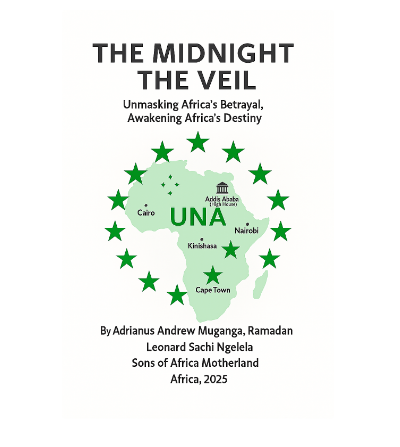
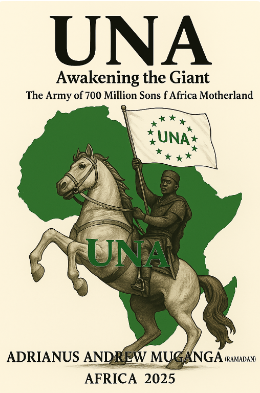
The United Nations of Africa Project: Official Companion Guide and Interpretive Framework is the authoritative companion to the United Nations of Africa Project, an integrated body of scholarship examining the constitutional, institutional, and governance foundations of African continental transformation. Rather than functioning as a conventional introduction, this volume serves as the official interpretive framework through which readers can understand the philosophy, organization, methodology, and intellectual architecture that unite the Project's seven foundational works into a coherent and comprehensive body of constitutional thought. The Companion Guide begins by explaining the purpose of the United Nations of Africa Project and the intellectual principles upon which it has been developed. It demonstrates that the Project is not a single publication proposing an immediate political union, but a carefully structured framework for the scholarly examination of African continental governance. By distinguishing between constitutional aspiration and institutional architecture, the Guide establishes the Project as an academic contribution to constitutional studies, Pan-African scholarship, governance theory, and institutional development. It emphasizes that meaningful continental transformation requires systematic inquiry, constitutional reasoning, institutional design, and responsible implementation rather than isolated political proposals or short-term policy initiatives. A central feature of the Companion Guide is its explanation of why the Project has been organized into seven independent yet interconnected publications. Each foundational work examines a distinct dimension of African continental transformation while maintaining continuity with the broader constitutional framework. Together, the seven works progress logically from historical diagnosis and civic awakening to institutional alignment, constitutional design, governance architecture, and implementation methodology. This organizational approach enables each publication to stand as an independent scholarly contribution while simultaneously forming part of an integrated intellectual system. The Guide demonstrates that the relationship among these works is defined by complementarity rather than dependency, allowing readers to appreciate both their individual significance and their collective coherence. The Guide further examines the intellectual architecture that underpins the entire Project. It introduces the concept of continental transformation as a gradual constitutional and institutional process rather than a singular political event. Through a systems-oriented methodology, the Project argues that sustainable governance emerges from the careful organization of interconnected institutions, constitutional principles, civic responsibility, and implementation frameworks. This perspective is reinforced through the Project's organizing concept of the Forest Philosophy, which views the seven foundational works as interconnected elements of a larger intellectual ecosystem. Just as a forest derives its strength from the relationships among its many components rather than from any single tree, the Project derives its coherence from the integration of its constitutional, institutional, historical, and governance analyses. The Forest Philosophy therefore provides readers with a conceptual framework for understanding why the Project has been designed as a unified body of scholarship rather than as a single comprehensive volume. In addition to explaining the Project's philosophy and organizational methodology, the Companion Guide provides detailed introductions to each of the seven foundational works. These chapters outline the purpose, scope, principal themes, and scholarly contribution of every publication while explaining how each supports the overall constitutional framework. Readers are introduced to the historical analysis presented in The Midnight: The Veil, the civic and intellectual foundations explored in Awakening of the Giant, the institutional coordination proposed in the Pan-African Institutional Alignment Framework, the constitutional vision articulated in The United Nations of Africa, the legal and governance structures examined in Constitutional Architecture for a Continental Civilization, the integrated governance model presented in Summary Structure of Governance and Civilization, and the practical transition framework developed in Implementation Architecture of the Union. Through these introductions, the Companion Guide functions as both an interpretive reference and a navigational gateway to the complete Project. The volume also considers the relevance of the United Nations of Africa Project for different categories of readers. Dedicated chapters examine how scholars, researchers, governments, educational institutions, students, civil society organizations, and policymakers may engage with the Project according to their respective interests and professional responsibilities. The Guide highlights the Project's contribution to Pan-African thought, constitutional scholarship, governance studies, and institutional analysis while encouraging critical examination, comparative research, and constructive academic dialogue. Rather than presenting its framework as a final or definitive model, the Companion Guide invites future scholarship to expand, evaluate, refine, and debate its proposals within the broader traditions of constitutional inquiry and African studies. As the official reference volume of the Project, the Companion Guide also serves important documentary and bibliographic functions. It provides official bibliographic information, archive references, publication records, recommended reading pathways, and guidance for academic citation. By preserving the publication history and organizational structure of the Project, the Guide supports its long-term accessibility, authenticity, and scholarly use. It concludes with a formal Closing Declaration, the Forest Philosophy essay, acknowledgements, author information, official archive links, and a comprehensive bibliography prepared in accordance with recognized academic standards. Written in a formal and accessible style, The United Nations of Africa Project: Official Companion Guide and Interpretive Framework is intended for scholars, constitutional practitioners, policymakers, educators, students, research institutions, diplomats, and readers interested in African governance, Pan-African integration, constitutional design, and institutional development. It serves as the definitive gateway to the United Nations of Africa Project, enabling readers to understand the purpose, structure, and methodology of its seven foundational works while providing the essential context through which the Project's integrated constitutional vision may be studied, evaluated, and further developed. As both an interpretive guide and a scholarly reference, the Companion Guide establishes the foundation for informed engagement with one of the most comprehensive constitutional and institutional studies of African continental transformation.
Book details

















_ebookfrontcover.png)